CSS3’s Margin Property

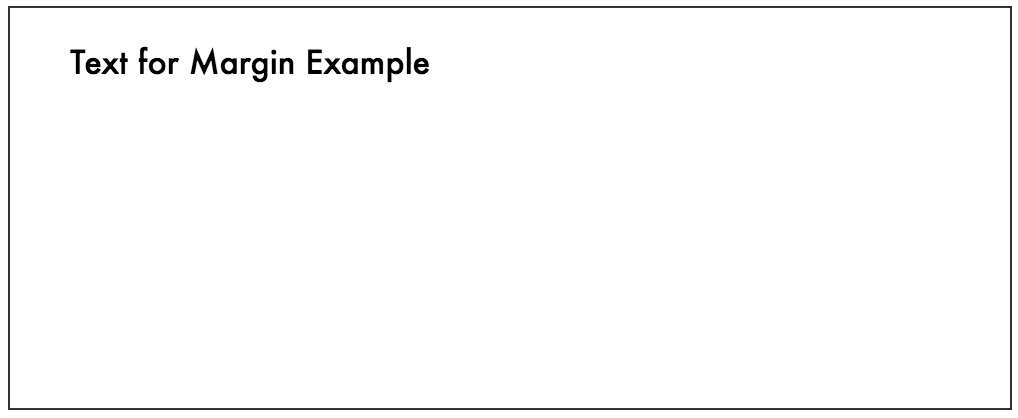
In CSS, the margin property is used to create space around elements. Without margins, all of our HTML elements would appear pretty right next to each other, with no spacing in between them, which would make for some unattractive designs. To […]

Read Article

CSS and Metadata: The HTML Viewport Tag


Creating a responsive and mobile friendly site happens mostly in the CSS stylesheets with media queries and responsive rules, however there is one absolutely vital line of HTML that must be included in your site’s header file if you want […]

Read Article

CSS’s font-stretch Property

CSS’s font-stretch property allows you to expand and condense text. As of right now, the property isn’t supported on any of the major browsers, but it’s still an interesting property to learn about. Here’s how it would look to use […]

Read Article

Aligning Images: A Guide

There are a lot of different techniques that will allow you to align images, both HTML and CSS techniques, but one of the easiest ways to align an image to the left or right of a page or element is […]

Read Article

Margins Vs. Padding

The difference between margin and padding is an important concept for new developers to grasp. While margin and padding both provide space in relation to elements, they do so in different ways. Padding provides space within the element, meaning that it […]

Read Article

How to Use CSS3’s Text-Align Property

CSS3’s text-align property defines how text should be horizontally aligned in relation to its parent element. You can use it to align text left (this is the default value), center, or right.

The default value (text-align: left) is shown above. Here’s […]

Read Article

Using CSS Grid Layout: the Basics

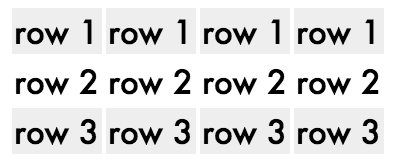
With the new W3C specification, you can now use CSS to create a grid layout on your webpages. Previously, HTML tables were often used to create grids, but with the increasing popularity of mobile devices, this is no longer considered […]

Read Article