How to Clear Floats

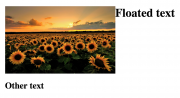
Floats are a useful tool for web developers. They’re so helpful in structuring pages and positioning items. But if they’re used incorrectly, they can also wreak havoc on the structure of the page/on the items surrounding the float. That’s why it’s […]

Read Article

CSS3’s Content Property

CSS3’s content property allows for content to be added to the page from within the CSS. This is useful in styling, but it’s especially useful if for some reason you don’t have access to or don’t want to edit your HTML […]

Read Article

How to Use CSS’s Counter-Reset Property

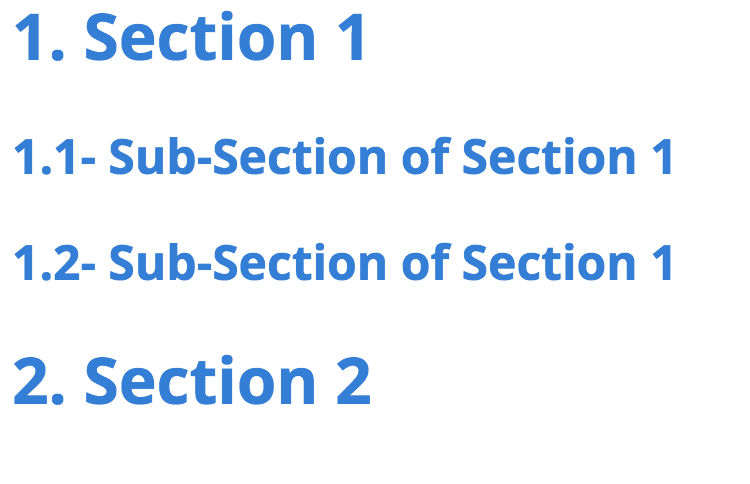
Most developers probably think of CSS as a means to bring designs to life, but CSS3 is capable of going beyond aesthetics. CSS3’s counter-reset property can actually be used to assign chronological numbers to certain sections and subsections of your HTML, which […]

Read Article

Using Conditional Comments in Your HTML

Internet Explorer is a fickle browser that often doesn’t cooperate with CSS rules like most other browsers do, which can really make the styling of certain elements a problem. To remedy this, you may sometimes choose to include a separate […]

Read Article

CSS3’s Font Shorthand

There are many CSS font properties available to style your fonts. If you need to define the font-style, size, family, and weight, that can add up to a lot of lines of CSS. Fortunately, however, there is a shorthand for […]

Read Article

Using CSS3’s Outline Property

CSS3’s outline property is one that is often thought to be interchangeable with the border property. Though the two properties are very similar, the outline property can actually be used to place an outline OUTSIDE of a defined border. There […]

Read Article

How to Use CSS3’s Line-Height Property

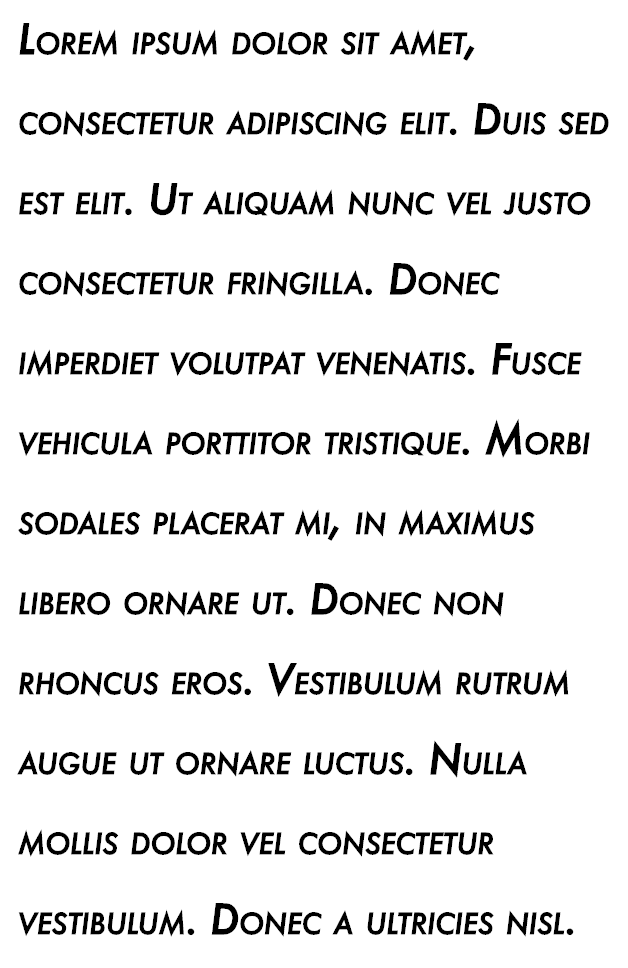
CSS3’s line-height property is one that is often underrated and misunderstood. The property can be very helpful in styling certain elements, and it can take many different types of values, including number values, pixel values, and percentages. Let’s apply it […]

Read Article